Important notice via EAC – Action included

Hi folks. It looks like another one of our new-but-no-yet-officially-designated protected Wilderness Areas is under attack and needs your help right now.

On Sunday, September 20th, Matt Miller and Ray Plourde from Ecology Action Centre’s Wilderness Committee, attended a public meeting in Caledonia held by the “Society of Nova Scotians for a Sustainable Rural Economy”. Despite the rather broadly based economic theme presented as the stated intent of their Society, the meeting was entirely dedicated to the issue of motorized vehicle access (truck, car, ATV, snowmobile) to the pending Medway Lakes Wilderness Area (MLWA). The majority in the room (about 100) were there to support expanded or total vehicle access into MLWA.

The meeting was structured to allow presentations from a variety of perspectives. Amanda Lavers from Mersey Tobeatic Research Institute spoke about the role of protected areas in biodiversity conservation and impacts of roads and vehicle use on wildlife, notably trout populations. EAC’s presentation gave some background on protected areas, both globally and provincially, the need for large roadless areas, etc. and an offer was made to work collaboratively to address trail connectivity issues for the area. The meeting ended with a “vote” on three options that ranged from killing the MLWA, to allowing full use of all the roads within MLWA and finally to go ahead with the government’s proposed access plan (see below). We were disappointed that the meeting was structured to include a vote on just these three options, as it precluded an opportunity to work together to find some common ground. We did not participate in the voting. The new society’s organizers have also been making the rounds to all the municipal councils in southwest Nova Scotia, doing rather one-sided presentations and asking for support for total motorized access to the former Bowater lands.

Someone has also launched a petition for motorized access on Change.org (see: https://www.change.org/p/government-of-nova-scotia-keep-the-former-bowater-lands-open-for-public-access).

The wording of this petition is deliberately misleading, stating that wilderness areas will “completely shut down access”, with people “not being allowed the freedom to explore these forests and lakes”. Nothing could be further from the truth. It’s important to note that public access to all wilderness areas in NS is guaranteed under the law. It is the use of motorized vehicles that is very limited. People are still allowed to hike, camp, canoe, fish and hunt in these areas and the MLWA actually has many access points by road and canoe launches. Both the meeting and the petition are squarely aimed at allowing seemingly unfettered motorized access within all the former Bowater lands, including those designated for protection.

It is important to note that the Medway Lakes Wilderness Area is only about 20% of the former Bowater Medway District lands and that roughly 90% of the roads in the District would still be open to vehicle use. 80% of the District and 90% of the roads for motorized use seems more than fair. This amounts to over 1,000 kms of the roughly 1,200 kms of woods roads in the Medway District, in addition to hundreds of additional kilometres of “informal” ATV trails. Wildlife needs spaces to survive and people who enjoy non-motorized wilderness recreation need places to go. It’s only fair.

It is also important to note that any claims of “traditional” or ‘long-standing” access by Off Highway Vehicles are wrong. The Bowater lands were privately owned, gated and strictly controlled. ATV’s in particular were expressly banned although there was plenty of illegal use, the point being that access to ANY of these lands is a new privilege not a long-standing right.

Meanwhile on Friday, September 18th, Nova Scotia Environment (NSE) announced some minor boundary changes and major new road exclusion changes for the MLWA (see http://www.novascotia.ca/parksandprotectedareas/plan/progress/mlwa/).

As you can see from the map provided, the significant new road exclusions dissect the wilderness area through it’s core, with several additional spur roads going out in different directions. MLWA is one of the largest and most significant additions to the protected areas network announced when the final plan was approved by government. At first glance this move appears to be a capitulation to the ATV lobby for more access but as the Newsletter indicates it appears that the primary reason is to convenience timber harvesting and trucking operations at various points on the north side of the MLWA.

We have several concerns regarding Friday’s announcement by government, including:

1) Process: The Parks and Protected Areas Plan was the result of numerous rounds of public consultation culminating in the release of the final plan in 2013 to much fanfare and endorsement from all three political parties. While the plan already included too many and trail exclusions from EAC’s perspective, we supported the final product because it was the result of such a broad-based consultation. No one group got everything they wanted but the outcome seemed fair and balanced. This is a major after-the-fact change that will significantly impact the ecological integrity of the Medway Lakes Wilderness Area.

2) Impacts on ecological values and wilderness recreation: Obviously these proposed road exclusions, which are much more generous (and egregious) than those in the final plan, will impact the MLWA. According to NSE’s profile of MLWA, the area was identified for protection for the purpose of protecting a large, road less core wilderness area and for promoting wilderness recreation. Both values will be heavily impacted by the proposed changes to the road network. The government’s own joint NSE/DNR Biodiversity Science Advisory Committee identified the area as a “key remaining stronghold for the much diminished Brook Trout, which can be maintained if the lakes and rivers of this area are extensively buffered from industrial activity and off-limits to motorized recreational access.”

It is unclear what Friday’s announcement really means. The newsletter from NSE refers to the road exclusions for MLWA as government’s “proposed approach” and they invite “comments” from the public that will be “considered”. It isn’t clear if this is a public consultation ahead of a decision or if a decision on the new road exclusion has already been made and the public is being made aware and only given an opportunity to comment after the fact.

Regardless, they are “looking for comment” so everyone who cares about nature should weigh in and help bolster the conservation message: Roads don’t belong in Wilderness Areas – send to: medwaycomments@novascotia.ca

There is reference in the government’s new newsletter to a trade-off analysis that “balances the environmental and economic costs of new road construction against the potential impacts of allowing vehicle access on the West Branch Road”, but there is no information on what the other road access alternatives were and what the associated ecological and economic impacts of other options were.

From the newsletter:

“The West Branch Road is important for management of forestry activities on the Crown lands that lie to the north of the pending wilderness area. If the road is closed other roads will need to be built and trucks will have to haul timber over longer distances. Excluding this road from the wilderness area takes into consideration the impact on biodiversity associated with road construction and use. It also balances the environmental and economic costs.”

Meanwhile the ATV lobby for access to the whole area is growing.

So, again, please take a moment and speak up for real nature conservation and submit your comments to: medwaycomments@novascotia.ca and also please make plans to attend the NS Environment dept. meeting at Milford House on October 6 at 6pm. Both of these things are very important important.

Some things to ask for include:

– No roads should be kept open at all in Medway Lakes Wilderness Area. Failing that, the absolute least amount of roads possible only. The new proposal is way more than necessary.

– Maintain the existing gates and keep them locked except for emergencies

– If the West Branch Road is kept open, close off the other road in the centre of MLWA.

– If the West Branch Road is kept open, expand the MLWA to compensate for the ecological impact. Recommend adding the lands around Long Lake and upper branch of the Medway River.

– If the West Branch Road is kept open, the government should be prepared to commit that no new logging roads will be built nearby the MLWA (since not having to build such roads is the reason given for its continued use through the Wilderness Area).

– Release to the public the road trade-off analysis that was done to support the decision to keep the West Branch Road open.

Please speak up for nature and act now (medwaycomments@novascotia.ca). Like the ATVers, you can also call or e-mail your local MLA and tell them what you think (http://nslegislature.ca/index.php/people/member-bios).

Thanks

Ray and Matt
Posted in General Information | Comments Off on Important notice via EAC – Action included

Help a barn-owner save his barn swallows

DSCN0226 DSCN0224

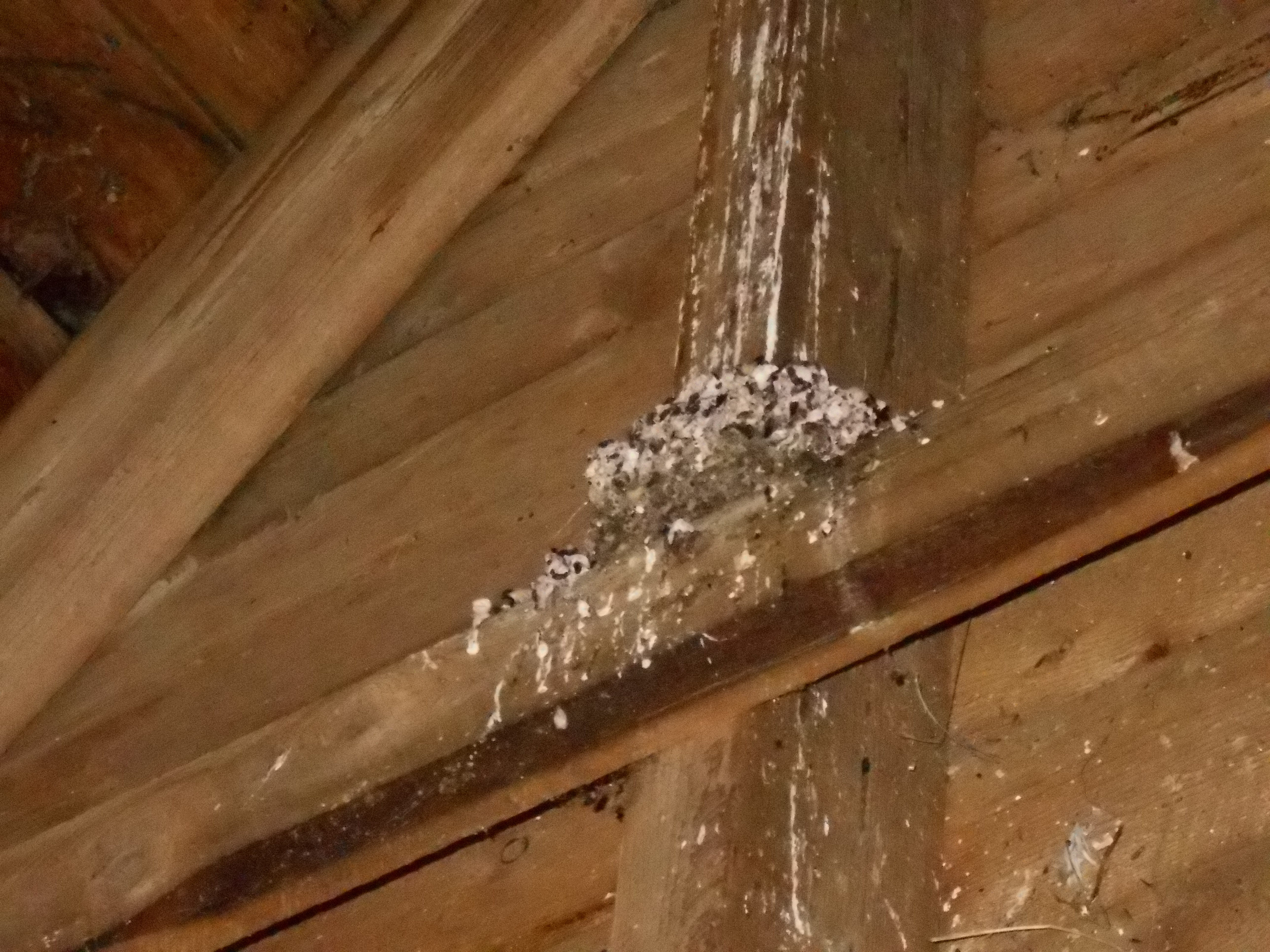
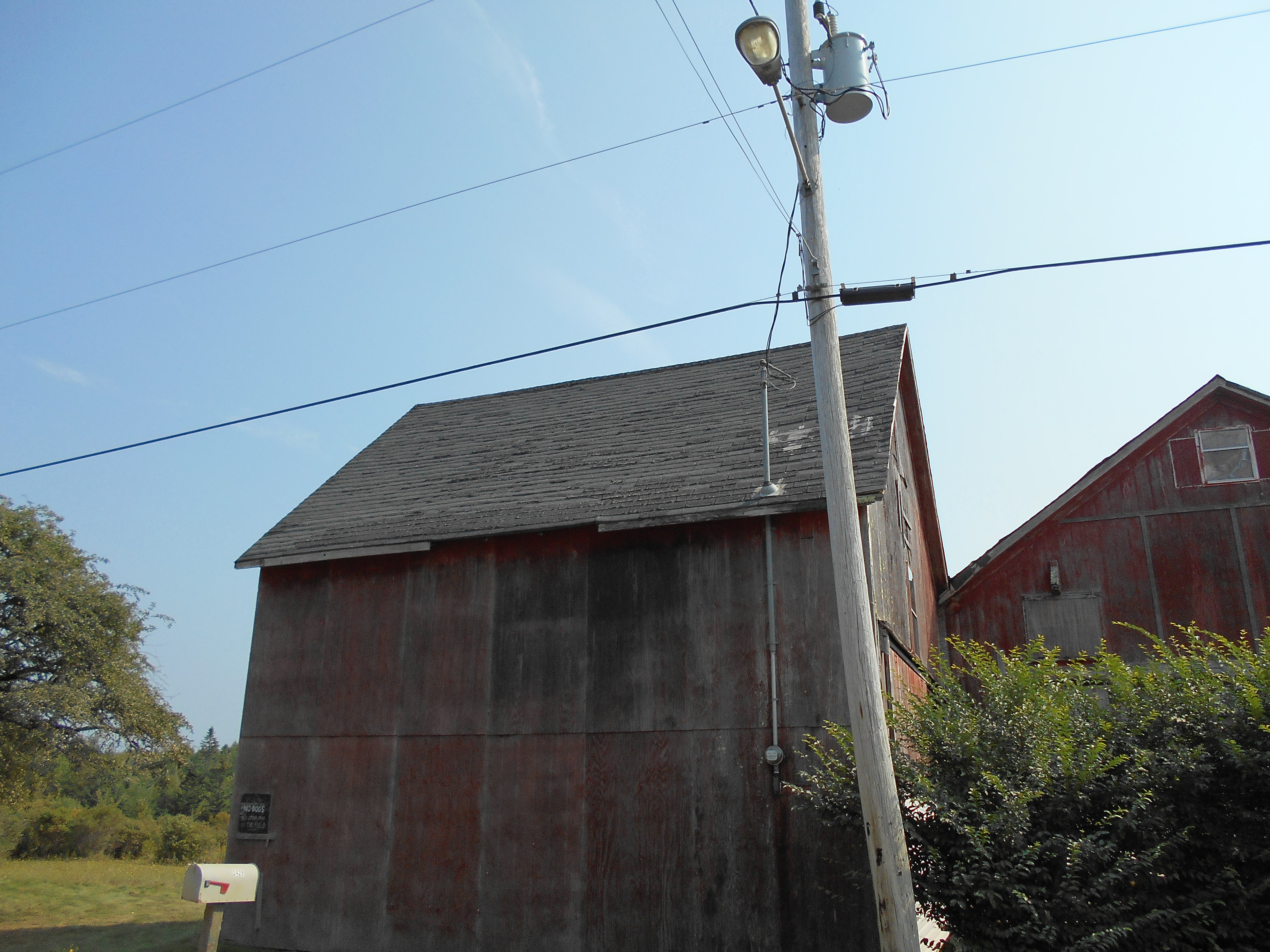
The barn in question and some of the abundant evidence

Lindsay and Kellie Bethune, 2424 Lake George Road, Yarmouth County, have a small barn, built in 1901, which is well-colonized by barn swallows. Their barn needs a new roof (well, shingles and tar), which will cost an estimated $4000. They don’t have the money to do the job, and progressive health issues limit the ability of both of them to earn much money.

Barn swallows have been listed officially as endangered in Nova Scotia. Their barn seems to hold the last colony in the area.

They own about 4 well-wooded square miles between the road and Lake George, and don’t mind letting folks in to cut, by ox or similar methods. No harvesters allowed.

They also have an organic blueberry you-pick, which doesn’t earn as much as it used to. Business arrangements are possible there, as well.

Lindsay would welcome reasonable financial support, either as a contribution or in exchange for some of the above mentioned resources. Anyone interested in helping out is welcome to contact Lindsay.

Phone is 749-3644. No e-mail.

Also feel free to contact John Sollows at 742-2802.


Posted in General Information | Comments Off on Help a barn-owner save his barn swallows

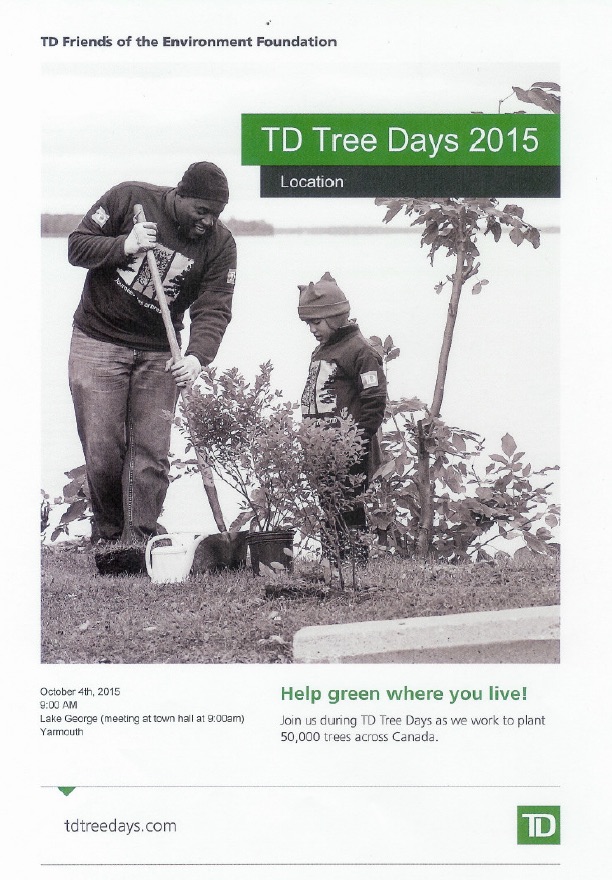
TD Tree Days October 4

TD Bank is organizing its annual Tree Days planting this coming October 4. All interested should show up that day at the Town Hall, 400 Main Street, at 9 A.M. October 4. From there we will trek to the wilds of Lake George to plant some trees.


For more information, contact John Sollows, 742-2802 or Azar Bitar at  TD Bank, Yarmouth, 742-3561.

All welcome!

Trees


Posted in General Information | Comments Off on TD Tree Days October 4

Memorial plaque installed on trail in Belleville

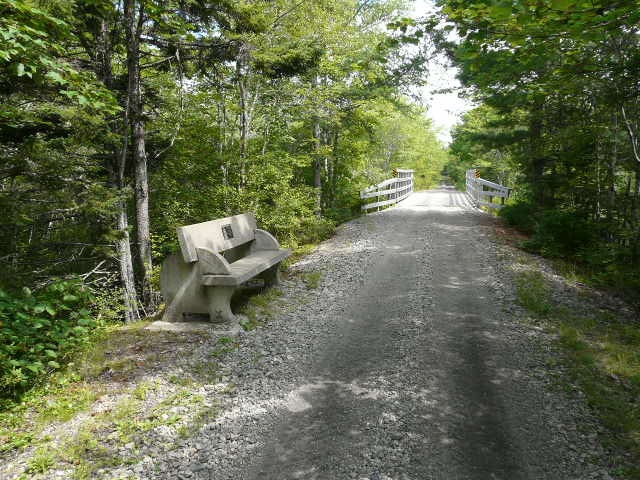
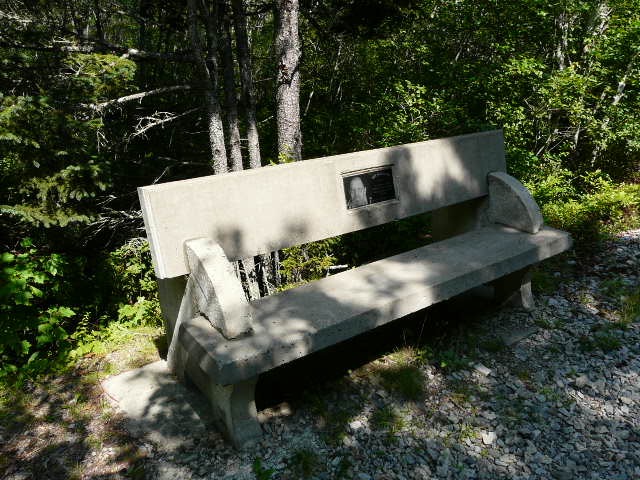
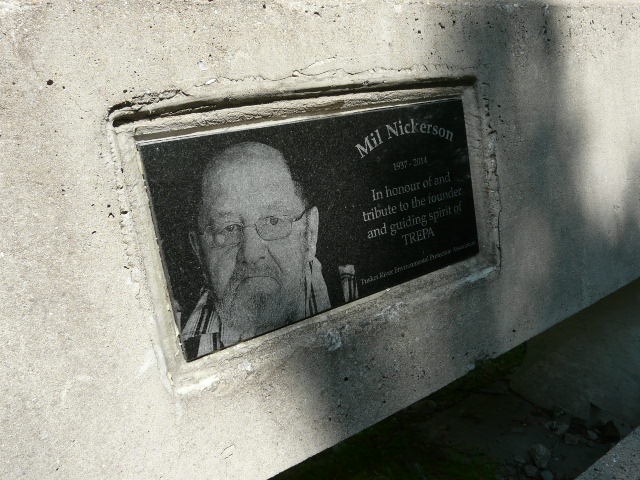
The memorial plaque for Mil Nickerson has been installed on a bench on the rails to trails location in Belleville, NS. We feel that this wooded location, next to a quiet stream, is a wonderful spot for people to sit, meditate and appreciate the contribution of the founder, and for many years the driver, of TREPA. He left us with a strong and sustainable organization that continues to watch over and protect the beautiful environment of SW Nova Scotia.

Thanks Mil, we miss you.

P1320602P1320597 P1320598

Posted in For the Record | Comments Off on Memorial plaque installed on trail in Belleville

Wilsons Lake property protected

Mail AttachmentQuintessential Rare Plant Site Protected by Nature Trust

Wilsons Lake, N.S. (August 14, 2015) –A top priority site for Canadian endangered species conservation has been protected, forever, in Nova Scotia. The Nova Scotia Nature Trust announced today the successful acquisition of the 300 acres (122 ha) Wilsons Lake Conservation Lands, in Yarmouth County.

Southwestern Nova Scotia is home to a unique group of wetland plants known as Atlantic Coastal Plain Flora. Eleven of these plant species are on Canada’s endangered species list. They exist nowhere else in Canada. One property in particular has been a top conservation priority for decades, since the first discovery of these unique plants in Nova Scotia. That long-sought-after site has now been secured by the Nature Trust.

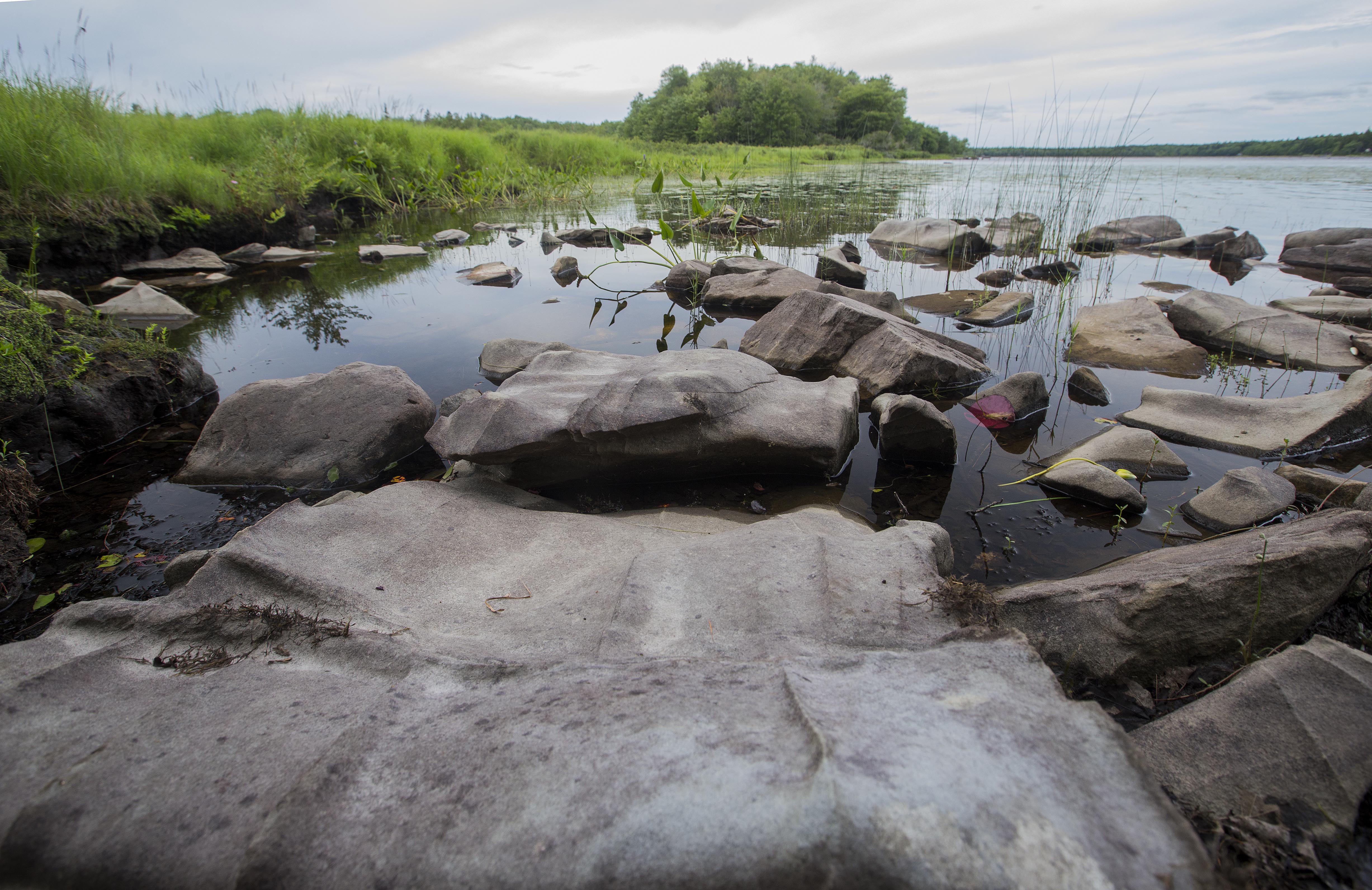
The Wilsons Lake Conservation Lands protect over 2.5 kilometers of lake shoreline, as well as forests, wetlands, and vernal pools important for frogs and other amphibians.  Most significantly, the property includes extensive, intact shoreline habitat critical for four nationally endangered plants: the delicate and beautiful Pink Coreopsis and Plymouth Gentian, and the little but resilient Water Pennywort as well as Longs Bulrush.

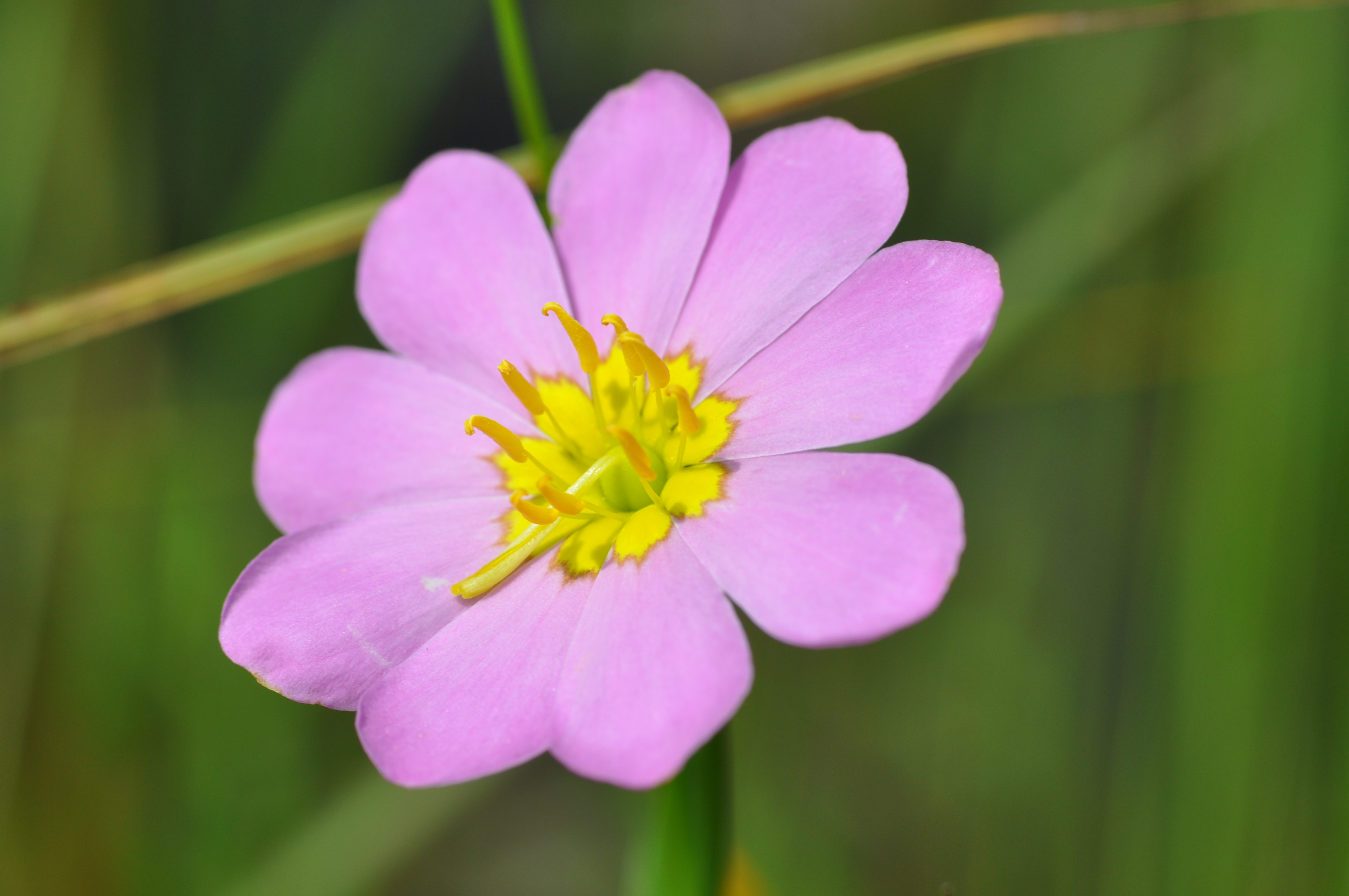
All four endangered plants are found only in Nova Scotia, and only on a small number of lakes.  They occur nowhere else in Canada.  Plymouth Gentian (Sabatia kennedayana), in fact, grows in only three places in the world: A few lakes on the Tusket River, some ponds in Cape Cod and a few coastal rivers in the Carolinas, making its conservation here of global importance.

Wilsons Lake Conservation Lands (credit Len Wagg) Plymouth Gentian (credit Nova Scotia Nature Trust, Karen McKendry)

The Nature Trust’s conservation achievement is particularly timely and significant in light of increasing threats to the only surviving habitat; habitat that these species need for survival.  Growing cottage and road development are damaging or destroying these last intact habitats.

For scientists and researchers, it is incredibly rewarding to see decades of scientific research, discovery and planning around these species and their habitats culminating in something so real, so tangible and lasting.

Dr. Paul Keddy, who completed the first systematic surveys of these rare wetlands plants in Nova Scotia, and devoted more than a decade of his career to their study, began advocating for their conservation in the 1970s. He was delighted to hear that one of Nova Scotia`s most outstanding Atlantic Coastal Plain Flora sites is now protected.

“The west shore of Wilsons Lake is one of the most outstanding examples of a coastal plain vegetation type in Canada. I say this having studied many coastal plain lakes in Nova Scotia and Ontario, having published numerous scientific papers on shoreline wetlands overall — and having canoed the length of the Tusket River in 1982. I use Wilsons Lake in my book, Wetland Ecology (2010, Cambridge University Press) to illustrate the importance of naturally fluctuating water levels for creating biologically diverse wet meadows. Hence, this property is not only significant for its many rare plants, but for the scientific principles which it exemplifies.  Wilsons Lake is a perfect example of how conservation and scientific research complement one another.”

Beyond its own ecological significance, the Wilsons Lake Conservation Lands are part of a larger conservation vision and effort.  The conservation community has long recognized the ecological significance of the entire Tusket River watershed.  It has the highest diversity of these rare wetland species in Canada and is the only river with Pink Coreopsis and Plymouth Gentian. It truly is a globally significant river.  The Nature Trust has been building contiguous shoreline corridor of protected rare plant habitat centered around the biodiversity hotspot on the river, Wilsons Lake. Such a corridor is critical to provide adequate habitat to truly protect these species, and the natural processes and systems required for their survival, over time.

The new Wilsons Lake Conservation Lands complete this conservation corridor.  The site is bounded on the North by the Wilsons Lake Nature Reserve, and will ultimately become part of this provincially managed Nature Reserve.  It also connects with the Nature Trust’s Jack and Darlene Conservation Lands, and land protected by the Nature Conservancy of Canada.  With this critical gap filled, the conservation corridor now protects a total of 1110 acres (450 ha) of contiguous habitat, encompassing 11 kilometers of intact shoreline critical for these endangered species.

The Wilsons Lake conservation corridor itself is just one part of an even larger campaign focused on protecting the entire suite of 11 endangered wetland plant species of southwest Nova Scotia.  Since 1998, the Nature Trust has been working with landowners, volunteers and local communities in southwest Nova Scotia to protect critical habitats for rare plants through land conservation, stewardship and education.

To date the Nature Trust has protected 11 conservation lands, encompassing 1200 acres (485 hectares) of critical habitat for endangered Atlantic Coastal Plain Species.  These efforts build on the early work initiated by the Tusket River Environmental Protection Association, a local conservation organization that has been working to protect these species and habitats for 25 years. Other partners in research, conservation and stewardship of Atlantic Coastal Plain flora include the Province of Nova Scotia, Kejimkujik National Park, Acadia University, the Nature Conservancy, the Mersey Tobeatic Research Institute and the Atlantic Coastal Plain Flora Recovery Team.

According to Nature Trust Executive Director, Bonnie Sutherland, with some of Canada’s most endangered species finding refuge only here in Nova Scotia, their future is entirely in our hands. Today’s announcement brings good news on two fronts.

“Achieving the long-sought protection of this Wilsons Lake site brings three endangered species one more step back from the risk of extinction,” she noted. “But just as important, the longtime efforts of so many researchers, conservation partners, volunteers and donors that ultimately made this achievement possible demonstrates that Nova Scotians are truly committed as guardians of our unique natural legacy. That dedication inspires great hope for the future.”

There are many ways people can be a part of this conservation legacy, from participating in an educational field trip to the site, to volunteering as a Property Guardian, or donating to support the protection and long-term stewardship of the property.

The Nature Trust is hosting a free, guided walk into the new conservation lands this Saturday. For more information or to register contact nature@nsnt.ca or (902) 425-5263.

Part of the National Conservation Plan, this conservation project was undertaken with the financial support of the Government of Canada. Other major supporters include the Marguerite Hubbard Charitable Foundation, the Province of Nova Scotia, Gosling Foundation, McLean Foundation,  Small Change Fund,  Keurig, Banrock Station, Ascenta and many generous individual donors.

Charitable donations can be made online at www.nsnt.ca or by calling the Nature Trust at (902) 425-5263. The Nature Trust also accepts gift of securities and gifts by will.  Learn more about the Nature Trust’s conservation programs and achievements at www.nsnt.ca.


Posted in Endangered Species | Comments Off on Wilsons Lake property protected